Origins of Nath Tradition
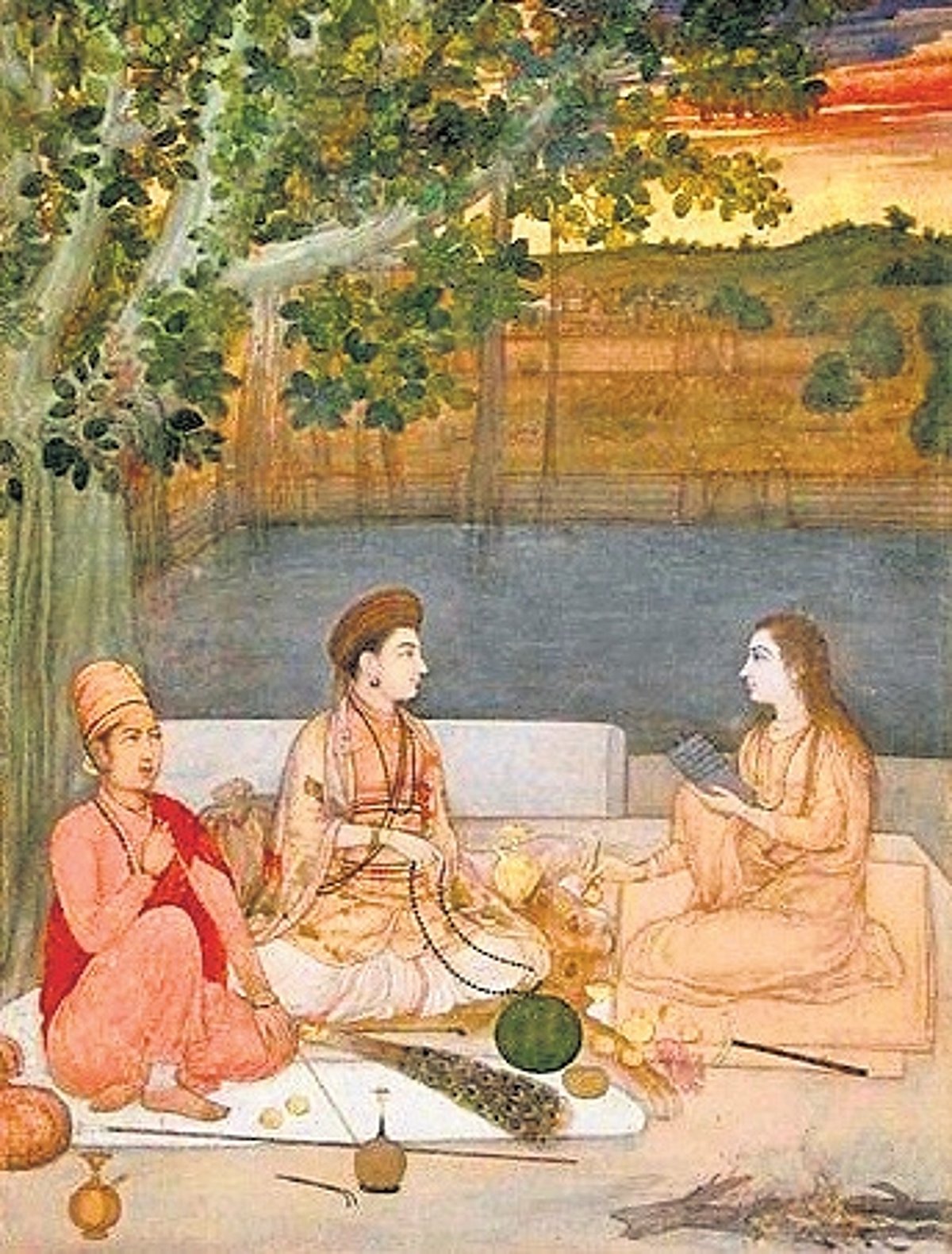
Many people know that the current chief minister of Uttar Pradesh, Yogi Adityanath, belongs to the Nath tradition. The Nath tradition originated in Medieval India from the older Siddha tradition, which included monks from Hinduism, Buddhism and Jainism.
The Nath tradition combines aspects of Shaivism and yoga. An accomplished guru is considered essential for spiritual attainment. His word is treated as aadesh (order) by disciples, who address their guru only as aadesh.
Naths worship Adinath (also called Srinath), who is the originator of the tradition. He is usually depicted with Lord Shiva to his left and Mahamaya to his right. He is said to be the giver of moksha. He started yoga. It is said that Adinath did hard penance.
Shiva appeared before him and gave him Shivastra. Adinath became a form of Shiva. Shiva was wearing kundalas (earrings), which were shining a lot. When Adinath asked for them, Shiva gave him the shadow of his kundalas. Adinath made it mandatory for every nath to wear kundalas. Because of their pierced ears, naths are also called kanphata yogis.
Besides Adinath, eight other nath yogis are considered avatars of Lord Shiva—Matsyendranath, Gorakshanath, Chauranginath, Jalandarnath, Charpatinath, Kanifnath, Nagarjuna and Bhartrihari. There are many stories about Matsyendranath.
Kartik Swami, Shiva’s elder son, threw Kulagama, the tantric who used to worship Devi, into the sea. To rescue him, Shiva jumped into the sea. Finally, his kundalas shone inside a fish. Lord Shiva killed the fish and took the tantric out. Since he came out of a fish, he was in the shape of a matsya (fish) and was called Matsyendranath.