How Managed IT Services Achieve High Availability
Managed IT Services Achieve High Availability
The ability to maintain high availability is a critical concern for businesses of all sizes. Frequent service interruptions can hurt brand reputation, increase customer churn, and cause loss of data. Achieving high availability requires a comprehensive disaster recovery plan, redundant hardware and software, reliable failover, and advanced backup and replication.
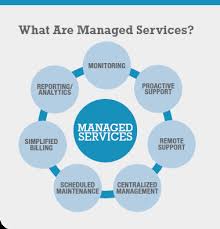
Services managed it offer a full range of services designed to protect your data and systems from failure, including remote monitoring, proactive maintenance, and around-the-clock support. They can also help you develop a strategy that minimizes downtime and maximizes scalability.
Services managed it can help you achieve the highest levels of availability without the cost and effort required to build in-house capabilities. They can leverage cutting-edge tech that would be expensive to implement at an in-house level, such as cloud deployments, automated failover, complete hardware and software redundancy, global data centers, and more. They can also provide a cost-effective way to scale up or down as business needs change, and they can offer flexible monthly plans that adjust to match budgets and requirements.
High availability is a combination of strategies and best practices that ensure your systems are resilient, reliable, and able to continue operating even in the face of failures and disruptions. It involves deploying redundant hardware and software instances, leveraging geographic distribution to avoid localized issues, automating processes, and constantly monitoring and testing your system health.
How Managed IT Services Achieve High Availability
Prioritize your systems: Not all systems are equally essential to business operations, so you need to prioritize those systems that must be online at all times. This allows you to focus your resources on ensuring high availability for your most critical systems and accept a lower level of availability for less-critical ones.
Keep it simple: The more complex your system, the more difficult it is to ensure high availability. More moving parts create more points of failure, require more redundancy, and can require a more complex architecture to reliably detect problems.
Achieving high availability is not only important for maintaining productivity, but it’s also vital for your customers. They expect your apps to be available, performant, and responsive at all times, and they’ll quickly switch to a competitor if you cannot meet their expectations.
Managing IT operations internally can be costly and resource-intensive, especially for small- to medium-sized businesses. Many SMBs can’t afford to hire a dedicated team, and hiring an MSP means you pay only for the services you need. This model can save you money on IT costs and helps reduce risk by avoiding costly mistakes.
An effective MSP can help you identify and fix IT problems before they become major outages or workflow disruptions. They can also take advantage of a variety of tools and technologies that make it easier to keep your systems up and running, including proactive monitoring, a single point of contact, and round-the-clock support. They can also provide strategic planning and consultation to align your IT strategy with your business goals. In addition, a managed service provider can fill the skills gap in your IT department, providing you with the expertise you need to get things done.