How Does Quick Turn PCB Assembly Manage High-Volume Orders?
Quick Turn PCB Assembly Manage High-Volume Orders
Quick turn PCB assembly is a nuanced dance between speed, cost, and quality. It empowers electrical engineers, product designers, and procurement professionals to keep pace with the rapid currents of technological innovation while bringing innovative systems to market in short timelines. This level of efficiency is critical for sustaining competitive edge, especially in high-tech industries like telecommunications and automotive electronics.
The process begins with the design phase, which involves conceptualizing the circuit, creating schematics, and laying out the board. Modern design software tools streamline this workflow, enabling engineers to work quickly and accurately. As part of the design process, engineers should consider ways to simplify the design without compromising functionality; this might include reducing the number of unique components or optimizing the layout for faster assembly.
Once the design has been finalized, it must be converted to Gerber files for fabrication. This step is a critical one, as errors can easily delay the turnaround time by weeks or even months. To mitigate this risk, engineers should carefully review their designs for error-prone areas, such as double-checking file formats and layer naming conventions. Also, it is essential to select a fabrication house with a proven track record of producing quick-turn boards.
A reputable quick turn pcb assembly will use advanced machinery and stringent quality control measures to produce high-quality, reliable circuit boards. They will also adhere to industry standards, including IPC and RoHS compliance. In addition, they will offer customer service that is responsive and available to address any issues that may arise during the production process.
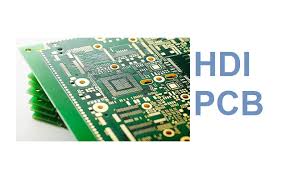
How Does Quick Turn PCB Assembly Manage High-Volume Orders?
While a quick-turn service is a powerful tool for innovators, it can come at a premium in terms of pricing and minimum order quantities. To minimize the impact of these costs, engineers should consider planning larger projects with multiple small batches or splitting their project into smaller phases. Also, it is important to allow enough time in the timeline for thorough testing, which should include X-ray and AOI inspection.
To maintain the highest quality standards, a reputable quick-turn manufacturer will use automated AOI and X-ray inspection to catch any mistakes or defects during the assembly process. This will ensure that the circuit boards meet all necessary requirements and are ready for shipping.
A reputable quick-turn manufacturer will have a dedicated production line that is optimized for speed, with staff and equipment solely focused on expedited orders. They will also limit their output to prototypes and low-volume production runs, which allows them to prioritize and focus resources on the most urgent orders. By taking these steps, manufacturers can manage high-volume orders and deliver reliable circuit boards on short timelines.
To optimize this approach, it is important for manufacturers to have a robust supply chain with established relationships with all major component suppliers and to adhere to DFM and DFT guidelines. Moreover, they must be capable of assembling both SMT and through-hole technologies, supporting a wide range of sizes and types of connectors. This will enable them to accommodate a wider range of design requirements, while still maintaining their reputation for rapid delivery.