How Do You Test Multimodal Interactions in Voice Agents?
Test Multimodal Interactions in Voice Agents
Testing multimodal interactions in voice agents is essential to ensure seamless communication across different input and output modalities, such as voice, text, images, and gestures. Multimodal voice agents allow users to interact naturally using multiple communication methods, making them more accessible and efficient. To ensure the effectiveness of these systems, rigorous testing strategies are required to evaluate the accuracy, responsiveness, and integration of various input and output channels.
One of the primary approaches to testing multimodal interactions is functional testing, which verifies whether the voice agent correctly interprets and responds to different types of inputs. Testers create scenarios where users interact using voice commands, accompanied by text inputs or visual elements, to ensure the system processes them correctly. For example, in a smart home assistant, a user might give a voice command to turn on the lights while selecting a specific room on a touchscreen. Functional tests validate that the system accurately processes and executes both inputs without confusion.
Usability testing plays a crucial role in assessing the user experience of multimodal voice agents. Since users interact with the system in various ways, testing should focus on ensuring a smooth transition between modalities. For instance, if a user starts a query using voice and continues with text, the agent should maintain context and provide a coherent response. Real-world usability testing with diverse users helps identify any friction points in interactions, ensuring that the voice agent responds intuitively and consistently across different modes.
How Do You Test Multimodal Interactions in Voice Agents?
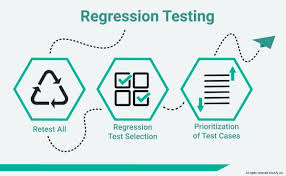
Performance testing is another key aspect of multimodal interaction testing. Al regression testing for voice agents must process multiple inputs simultaneously without delays or errors. Load testing tools like Apache JMeter, Locust, or K6 can simulate concurrent user interactions to analyze system responsiveness. This helps identify latency issues that may arise when handling multiple input types at the same time. Additionally, stress testing can be conducted to evaluate how the system performs under high interaction volumes, ensuring stability in real-world conditions.
Context retention testing is essential for verifying whether the voice agent correctly remembers and responds to information across different modalities. If a user starts an interaction via text and then switches to voice, the system should retain the previous context and provide relevant responses. Automated test scripts can simulate cross-modal interactions to validate the system’s ability to maintain conversational coherence. Test cases should also include interruptions or partial inputs to assess how well the voice agent handles context switching and error recovery.
Integration testing ensures that all components of the multimodal voice agent work seamlessly together. Voice recognition, natural language processing (NLP), computer vision, and text processing modules must interact without conflicts or inconsistencies. Automated API tests can be used to verify data flow between these components, ensuring that inputs from different modalities are processed correctly. Additionally, testing across multiple devices, such as smartphones, tablets, and smart speakers, helps ensure compatibility and consistent user experiences.
Security and privacy testing are also critical for multimodal voice agents, as they often handle sensitive user data. Testers must ensure that voice recordings, text inputs, and images are processed securely and that personal data is not exposed to unauthorized access. Techniques such as penetration testing and compliance checks help verify that security measures are in place to protect user interactions.
By implementing comprehensive testing strategies, organizations can ensure that their multimodal voice agents deliver accurate, responsive, and seamless interactions. Proper testing enhances usability, performance, and security, ensuring a smooth and natural experience for users engaging with AI-powered voice systems.