What Is the Importance of Round Table Discussions?
Importance of Round Table Discussions
The enefits of roundtable discussions provides an opportunity for participants to swap information with a group of peers. This can be especially useful for businesses seeking to build deeper relationships with customers and potential partners. Rather than hearing from one, two or three people, each person at the table can contribute their unique insights, anecdotes, and data to enrich the conversation.
Round tables are also an effective way to identify new business opportunities. For example, a discussion on diversity, equity, and inclusion (DEI) can provide insights that can lead to new initiatives or partnerships. Similarly, a discussion on women in the workplace can highlight challenges and opportunities for companies that strive to empower women in leadership roles.
Moreover, inviting industry leaders and experts to the discussion elevates the discourse and facilitates valuable connections. In turn, this can increase the event’s reputation and position it as a platform for collaboration and innovation. Another important consideration is choosing the right topics for your discussion. These should be timely, relevant, and offer a broad range of perspectives. Additionally, it is crucial to prioritize inclusivity and representation by incorporating the experiences of marginalized communities into your discussions.
Ensure that your chosen topic is relevant to your target audience by analyzing the current and future needs of the business sector. You can then seek input from potential attendees or industry experts to refine your focus areas. Once the discussion has ended, evaluate the success of the session by reviewing tangible business outcomes. This can be anything from increased website traffic to new business inquiries or meetings booked.
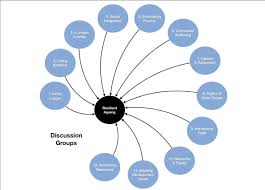
What Is the Importance of Round Table Discussions?
Then, define clear ground rules to guide the discussion. These might include respecting others’ opinions, maintaining a focused agenda, and ensuring that each participant has an equal opportunity to participate. This can be done by involving all participants in the creation of these rules and clearly communicating them at the start of the discussion.
In addition, enlisting the help of a moderator is essential to managing the discussion’s flow and pace. This can be accomplished by using tools like whiteboards for collaborative brainstorming, Poll Everywhere for remote voting, and Zoom and GoToMeeting to ensure all attendees can participate in real-time. This dynamic interaction can lead to more actionable insights, which is especially valuable in professional or business contexts.
Additionally, it is important to measure how many people were engaged during the discussion. High levels of engagement indicate that the discussion was interesting and insightful. You can also gauge engagement by analyzing the number of social media posts and comments about the discussion. You should also pay attention to any press coverage resulting from the event, as this can be a signal of its success.
Another significant advantage is the opportunity for rich, meaningful dialogue. Roundtables often focus on a specific issue or challenge, allowing participants to dive deeper into the topic. This focused conversation encourages participants to share diverse perspectives, leading to a more nuanced understanding of the subject. It also allows for brainstorming and problem-solving in a collaborative environment, which can lead to innovative solutions that may not emerge in other formats.