Can PCB Flex Be Used in Medical Devices?
PCB Flex Be Used in Medical Devices
Medical devices have led to countless advancements and benefits for patients, but they must be able to function with the highest level of reliability. For many electronic medical devices, the point of failure is the connection between the circuit board and its components, which can cause damage or even lead to death if not properly connected. Rigid-flex PCBs reduce the number of connections in a medical device, which can increase its reliability and allow it to operate as designed.
Flex PCBs can be used in many medical applications, including implantable devices, hearing-assist devices, and monitoring devices. They can also be used to make wearables, which are devices that can be worn on the body to monitor or deliver treatments, such as medication or electrical stimulation. Rigid-flex PCBs are often utilized in these devices because they offer a wide range of advantages over other types of electronic boards, such as low weight and thickness and compact design.
In addition to their ability to bend and fold, flex circuits are more resistant to shock and vibration than rigid circuit boards. This feature is particularly important in medical wearables that are designed to be constantly moving as the user goes about their day. Rigid-pcb flex can be customized to meet specific needs, such as the size of a wearable device or its shape and weight to accommodate the human form.
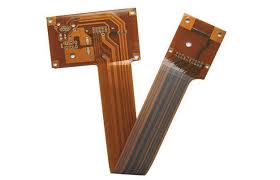
Can PCB Flex Be Used in Medical Devices?
When designing a flex circuit board, it is important to keep in mind that it will be subjected to a lot of stress during its lifespan. To combat this, a PCB engineer can include what are called stiffeners on the board in selected areas to add additional mechanical stability. Stiffeners can be a combination of rigid materials (such as FR4) and metal, and they are laminated to the flex circuit board. Adding stiffeners to a flex circuit board can increase its cost, but it is often the best option for a medical application that will be used for long periods of time.
As a result of their flexibility, flex circuits are more durable than rigid PCBs and can handle shocks, vibrations, and temperature fluctuations. In some cases, a redesign of a medical device using a flex circuit can reduce its overall weight by up to 75% without sacrificing quality, reliability, or functionality.
One of the most significant benefits of a flexible PCB is that it can be produced at a much lower price than its rigid counterpart. This is due to the fact that a flex circuit board requires fewer layers of copper to achieve its functionality. This, in turn, translates to reduced manufacturing costs and a smaller finished product. Additionally, a flex circuit can be manufactured using a coverlay that is impervious to moisture, solvents, and basic chemicals. This will reduce the risk of corrosion and extend the life of the circuit board. Choosing a domestic, turnkey ECM that has experience working with flexible circuit boards in medical electronic manufacturing can also help to reduce the production cost and delivery time of the final product.