Can Pcb productions have embedded components?
Pcb productions have embedded components
In the modern world of electronics, Printed Circuit Boards (PCBs) are crucial components in a wide variety of devices, from consumer electronics to industrial machinery. As technology advances, the demand for more compact, efficient, and cost-effective solutions has led to innovations in PCB design and manufacturing. One such advancement is the inclusion of embedded components within PCB production. But what exactly does it mean to have embedded components in PCB productions, and how does it benefit the electronics industry?
Embedded components refer to electronic components such as resistors, capacitors, inductors, and even semiconductors that are directly incorporated into the PCB itself rather than being mounted on the surface. This design approach offers several advantages, especially in terms of miniaturization, cost efficiency, and performance improvements. In traditional PCB production, components are mounted on the surface of the board, which can take up significant space, leading to larger and bulkier designs. By embedding components within the PCB, manufacturers can create smaller, more compact designs without sacrificing functionality.
One of the primary advantages of embedded components in pcb production is space optimization. In many applications, such as smartphones, wearables, or medical devices, the available space is limited. Embedding components directly into the PCB allows manufacturers to conserve valuable space while still integrating all necessary functions. This can lead to thinner, lighter devices, which are increasingly important for consumer electronics.
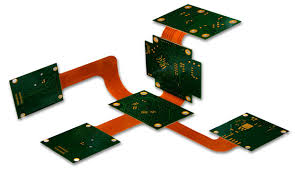
Can Pcb productions have embedded components?
Another benefit is the improved reliability and durability of the final product. Surface-mounted components are more prone to mechanical stress, which can lead to damage or failure over time. By embedding components within the PCB, they become more robust and less vulnerable to external forces. This is particularly important in harsh environments, where devices are subjected to vibration, moisture, or extreme temperatures.
Embedded components also contribute to better electrical performance. By integrating components directly into the PCB, the signal paths can be shortened, which helps to reduce the resistance and inductance of the connections. This can lead to faster signal transmission, lower power consumption, and improved overall performance. Additionally, this method can minimize electromagnetic interference (EMI), which is a common issue in electronic devices with high-speed signals.
However, while the benefits of embedded components in PCB production are clear, there are some challenges to consider. The process of embedding components is more complex and requires specialized manufacturing techniques. For instance, it may require precise placement of components during the PCB fabrication process and the use of advanced materials that support embedding. Additionally, the design of embedded components must be carefully planned to ensure they are accessible for testing and maintenance. This adds another layer of complexity to the production process, making embedded PCB production more expensive and time-consuming than traditional methods.
Despite these challenges, the growing demand for miniaturized and high-performance devices continues to drive the adoption of embedded components in PCB production. As technology evolves and the need for smaller, more powerful devices increases, it is likely that embedded components will play a key role in the future of PCB design and manufacturing.
In conclusion, embedded components offer significant advantages in terms of space-saving, reliability, and performance for PCB production. Although the process may be more complex and costly, the benefits in terms of product efficiency and size make it an attractive option for many industries. As electronics continue to evolve, embedded components will likely become an essential aspect of PCB design, pushing the boundaries of what is possible in modern device development.