How does a rigid flex PCB reduce assembly costs?
rigid flex PCB reduce assembly costs
Rigid flex PCBs combine the flexibility of flex circuits with the rigidity of traditional printed circuit boards to provide a hybrid solution that is ideal for space-limited applications. This hybrid design also allows designers to pack a high number of signal layers into a compact, lightweight form factor. However, the unique nature of rigid flex PCBs requires intricate production processes that can impact costs. Fortunately, designers can take several steps to reduce rigid flex PCB assembly costs without compromising quality or reliability.
The cost of rigid flex pcb is largely determined by the materials used in their construction. The choice of base substrates, copper foil, adhesives, and surface finishes all involve trade-offs between performance and cost. Choosing the right materials can significantly lower or raise costs depending on the application.
For example, some rigid flex circuit board designs require the use of polyimide or other high-performance flexible laminates to withstand constant movement and vibrations. These expensive materials will raise the total cost of a rigid flex board. On the other hand, using less costly materials that offer similar electrical and mechanical properties can substantially decrease the cost of a rigid flex circuit board.
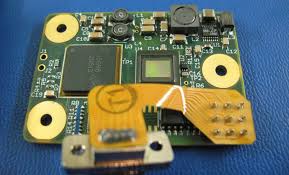
How does a rigid flex PCB reduce assembly costs?
Similarly, the number of layers in a rigid flex design can impact assembly costs. Having fewer layers can help to minimize the number of plies of prepreg required to bond the rigid and flexible sections together, which will reduce manufacturing costs. In addition, limiting the number of layers will optimize manufacturers’ ability to achieve good manufacturing yields.
Other cost-reducing measures include avoiding complex routing and minimizing the use of special materials. In addition, engaging with manufacturers early in the design process can help identify potential cost-saving measures that will ensure the final product meets performance and budgetary requirements.
Rigid-flex PCBs have the unique advantage of replacing multiple FR4 circuit boards and cables with a single unit. This significantly reduces weight and can improve efficiency, durability, and reliability. As a result, they are a popular choice for electronic devices like wearables, cameras, drones, and other portable electronics. In addition, rigid-flex circuits are ideal for applications requiring consistent connections between components despite the device’s ability to bend, flex, or fold.
A rigid flex PCB can save time and money in manufacturing and assembly by removing the need for extra connectors and cables. This streamlines the process and helps to speed up long production runs, and it also reduces maintenance and repair costs for the device. Moreover, it can be more aesthetically pleasing than a product with multiple cables and connectors, which may be a major factor for some manufacturers.
Finally, rigid-flex PCBs can be designed in 3D, which helps to reduce assembly and test times by eliminating the need for separate prototypes. It can also reduce the risk of errors in the assembly process by allowing the PCB to be installed in only one way. This can save time and money by reducing the need for manual inspection and troubleshooting. This type of simplified assembly process can be especially beneficial for high-precision applications such as medical, aerospace, and military/defense systems.