Epics for children | The spirit of Bhakti movement
The Bhakti movement emerged between the 7th and 17th centuries. Like Sufism was a form of protest against the complexities of orthodox Islam, the Bhakti movement was a protest against the complexities of orthodox Hinduism and rigidities of the caste system, and to some extent, against the strict asceticism of Buddhism and Jainism. Bhakti poets exhorted the common people to shed age- old superstitions and adopt a love for God. It was not as if all Bhakti poets believed in the same ideas. A category of poets that historians call Saguna poets worshipped Shiva, Vishnu or Devi and their human avatars, while the Nirguna poets worshipped God in an abstract form. Both types of poets believed that God resided inside each of us.
This movement originated in South India. There were two major streams—the Nayanars, devotees of Shiva, and the Alvars, devotees of Vishnu. The famous Nataraja statues of Shiva were made during the Chola period under the inspiration of the Nayanars. Bhakti saints won the affection of peasants so the kings tried to win their support too. In Karnataka, Basavanna, who was a minister in the King’s court, started a movement whose followers were called Virashaivas or Lingayats. To date, these continue to be a major force in the social and political life of Karnataka. Ramanujacharya was a saint from South India, but his work had a great influence on the rest of India.
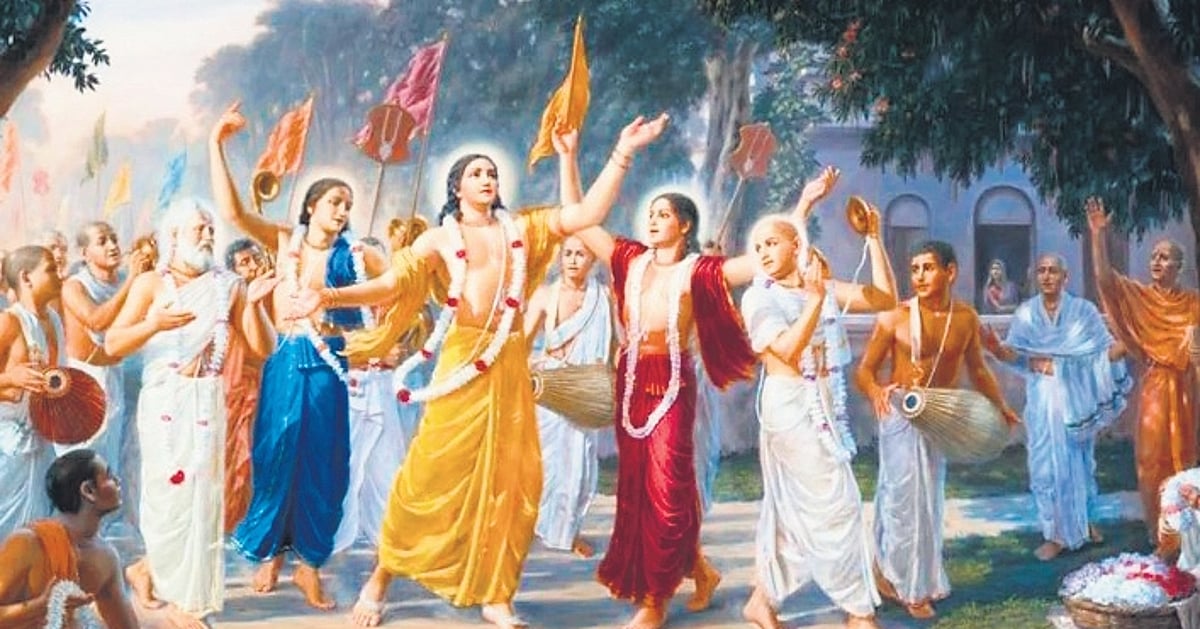
Northern India was slower to catch on the Bhakti movement; the first signs emerged only with the arrival of Turks and Sufism in North India. In Maharashtra, Warkari poets sang praises of Vithoba, a form of Vishnu. Namdev, Ramdas and Tukaram were also quite famous in the region. In Gujarat, Narsinh Mehta was the first Vaishnava saint and Gujarati poet. In Bengal, Chaitanya Mahaprabhu founded Gaudiya Vaishnavism and popularised chanting of the Hare Krishna mantra. In North India, there were Ramananda, Kabir and Tulsidas. Kabir was a brilliant poet who was the culmination of the Bhakti and Sufi traditions. In Punjab, the same synthesis was achieved by Guru Nanak. He believed in the worship of a formless, genderless supreme God called Rab.